Editorial
Watches as Investments
Somewhere in the last decade, the phrase 'investment-grade watch' slipped into common use. We think it deserves more scrutiny than it gets.
Somewhere in the last decade, the phrase investment-grade watch slipped into common use. We think it deserves more scrutiny than it gets.
Most watches are not investments. They are objects you wear, enjoy, and eventually pass on or sell at a loss. The watches frequently described as appreciating assets — steel sport Rolexes, certain Patek references, the Royal Oak in stainless steel, hyped Tudors and Omegas at peak demand — are a tiny slice of the market, and even within that slice, the picture has been bumpy. The 2020–2022 secondary-market boom that turned Submariners and Nautiluses into headline assets has, since 2023, given back a meaningful share of those gains. Anyone who bought at the peak intending to flip is now learning the difference between appreciating and liquid.
There are real costs that quiet watch-investment pitches rarely include: dealer spreads of 10–20%, servicing every five to seven years at several hundred to several thousand dollars, insurance, the risk of theft, the risk of a fake entering your collection, and the simple fact that a watch produces no yield while it sits in a safe. Compare this to almost any conventional asset class and the case becomes harder to make.
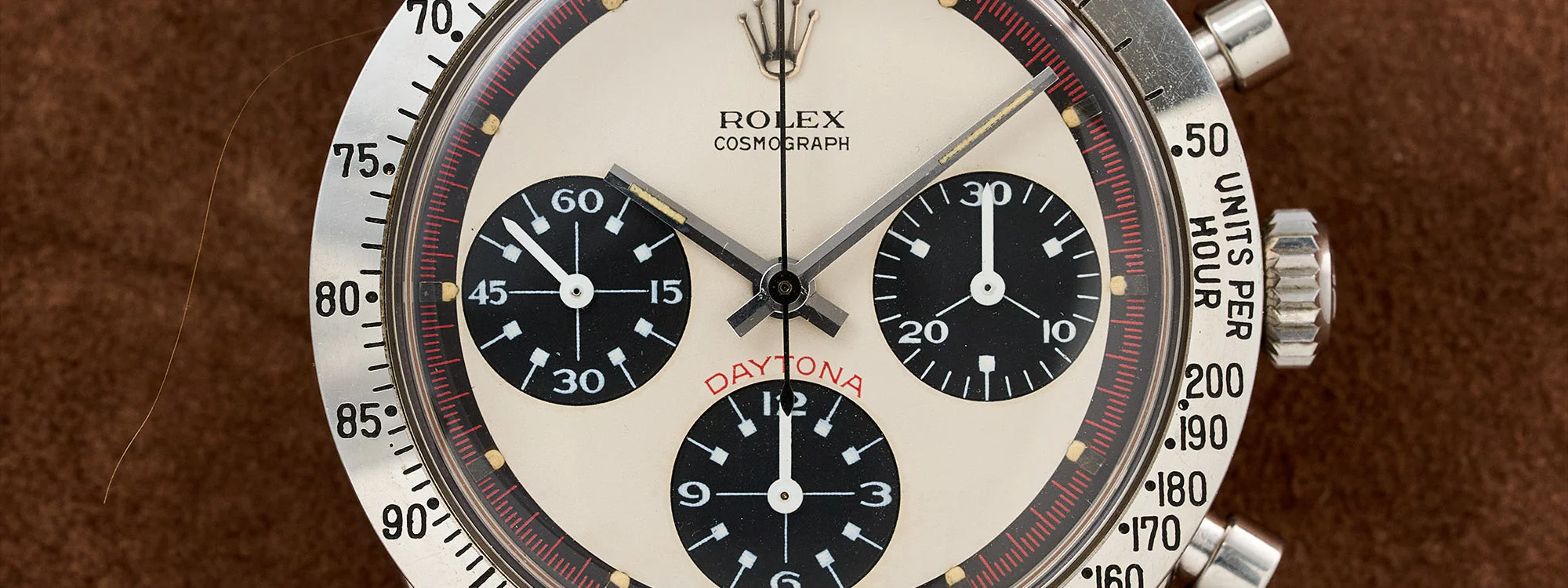
Where the argument has more weight is at the very top of the market. Independent watchmaking — F.P. Journe, Philippe Dufour, early Akrivia, Roger Smith, Voutilainen — has produced genuine appreciation over long horizons, driven by tiny production numbers and rising recognition of the makers. So has serious vintage, where condition, originality and provenance dominate the math. But these are not retail purchases. They are the result of access, expertise, patience, and luck — usually all four.
Our position is simple: buy watches because you want to wear them. If one happens to hold or grow its value, treat that as a happy accident, not a thesis. The collectors we admire most are the ones who would still own their watches if the resale market disappeared tomorrow. That is the only test that consistently produces good decisions in this hobby — and, ironically, also the one that produces the best long-term financial outcomes.