The Landscape
Independents, Conglomerates & Microbrands
The watch world divides, broadly, into three camps — and knowing which is which tells you a lot about what you're actually buying.
The watch world divides, broadly, into three camps — and knowing which is which tells you a lot about what you're actually buying.
Conglomerates own most of the famous names. Three groups dominate: Swatch Group (Omega, Breguet, Blancpain, Longines, Tissot, Hamilton), Richemont (Vacheron Constantin, IWC, Jaeger-LeCoultre, Cartier, Panerai, A. Lange & Söhne), and LVMH (TAG Heuer, Hublot, Zenith, Bulgari). Add Rolex, which sits alone as a private foundation (though, that's technically Rolex + Tudor). These houses bring scale, distribution, and deep movement-making resources — and the trade-offs that come with corporate ownership.
Independents answer to no group. Some are large and family-held (Patek Philippe, Audemars Piguet, Chopard); others are small ateliers run by the watchmakers whose names are on the dial (F.P. Journe, MB&F, De Bethune, Greubel Forsey, Akrivia, Voutilainen). Independence usually means more creative freedom, slower production, and prices that reflect both.
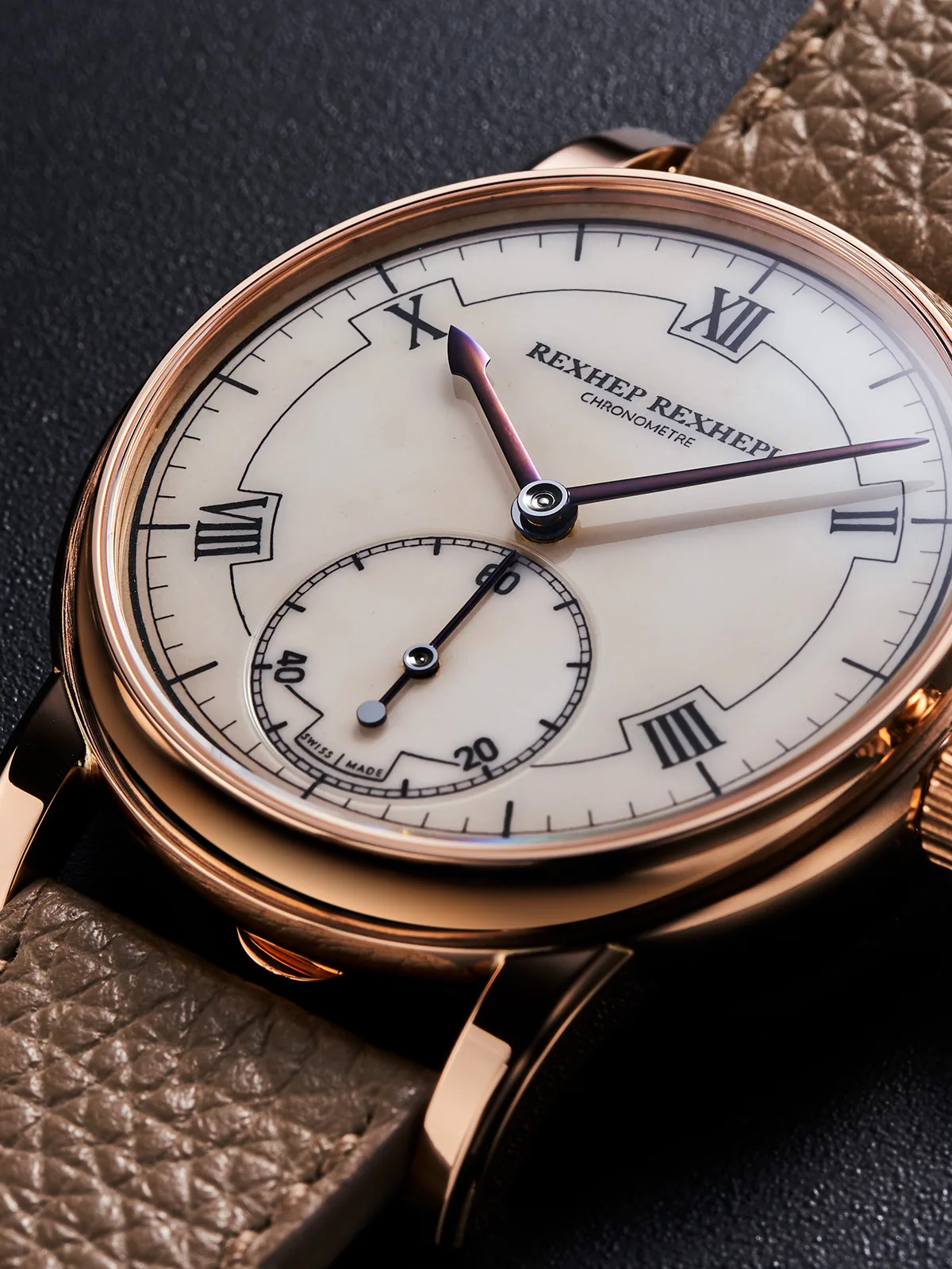
Microbrands are the newest layer — small, often founder-led operations producing accessible mechanical watches, frequently launched via Kickstarter and sold direct. Baltic, Christopher Ward, Studio Underdog, Atelier Wen, anOrdain, and Halios are good examples. They use sourced movements and prove that interesting design no longer requires a Geneva address.
One last distinction worth making: a watch brand sells watches; a watchmaker makes them. Patek is a brand built around generations of watchmakers. F.P. Journe is a watchmaker who became a brand. Most names you see are the former. The handful that are genuinely the latter is what makes independent horology worth following.